Step-by-Step Installation Techniques

Master the proper methods for applying VOC-free sealants to ensure optimal performance, durability, and energy efficiency.

Preparing Window Edges

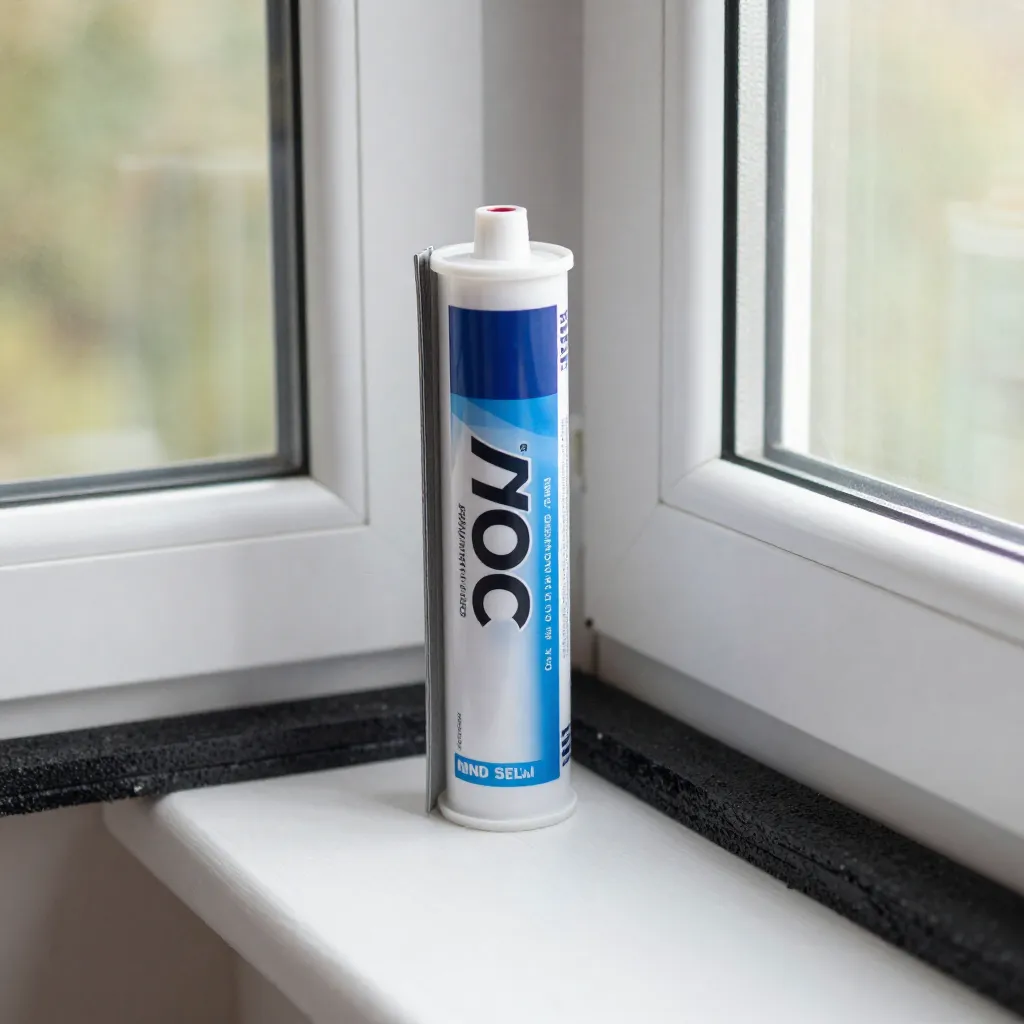
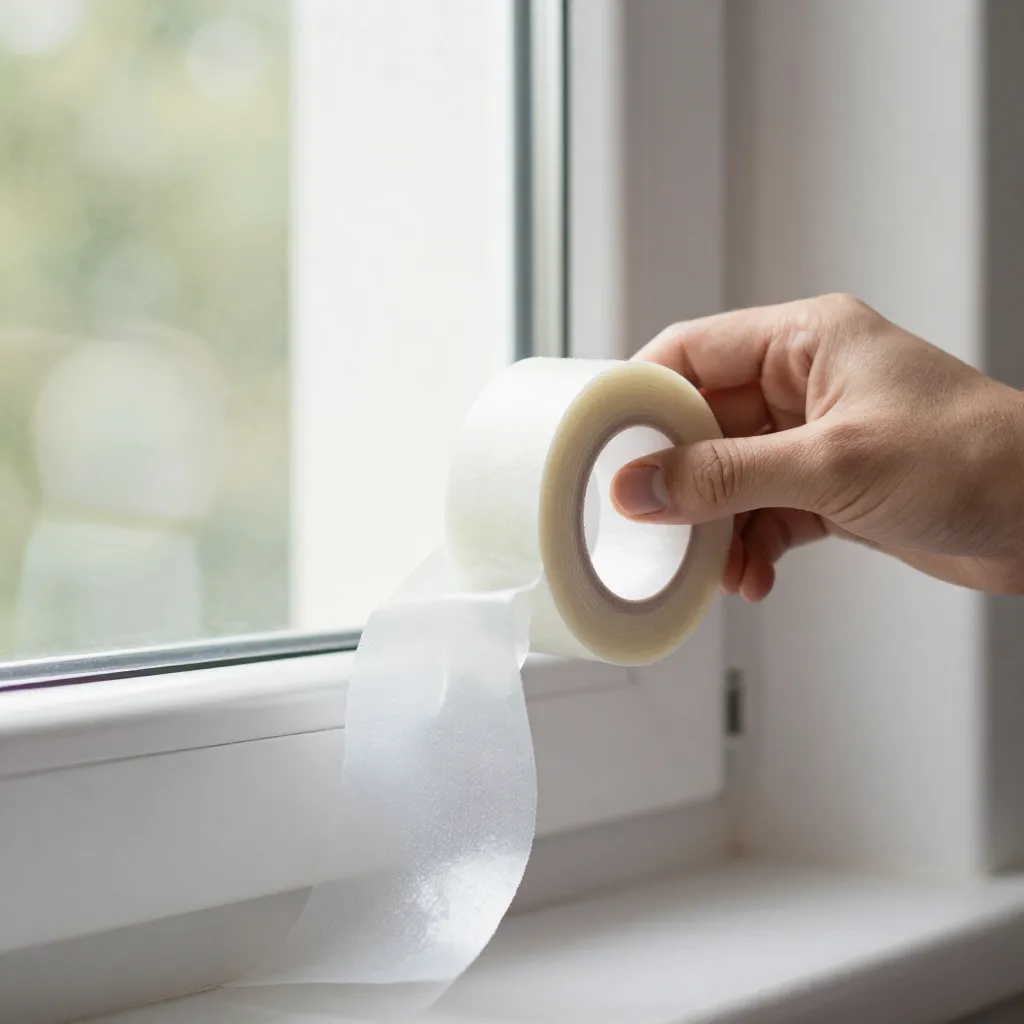
Window edge preparation

Surface Cleaning

Begin by thoroughly cleaning all surfaces where sealant will be applied. Remove dust, dirt, grease, and any existing sealant residue. Use a mild detergent solution and allow surfaces to dry completely.

Surface Preparation Steps

1. Remove old sealant material
2. Clean with appropriate solvent
3. Sand rough surfaces if needed
4. Ensure surfaces are dry
5. Apply primer if required by manufacturer

Temperature Considerations

Ensure ambient temperature is within the recommended range (typically 40°F to 90°F). Avoid application in direct sunlight or during extreme weather conditions that could affect curing.
Applying VOC-Free Sealant Correctly

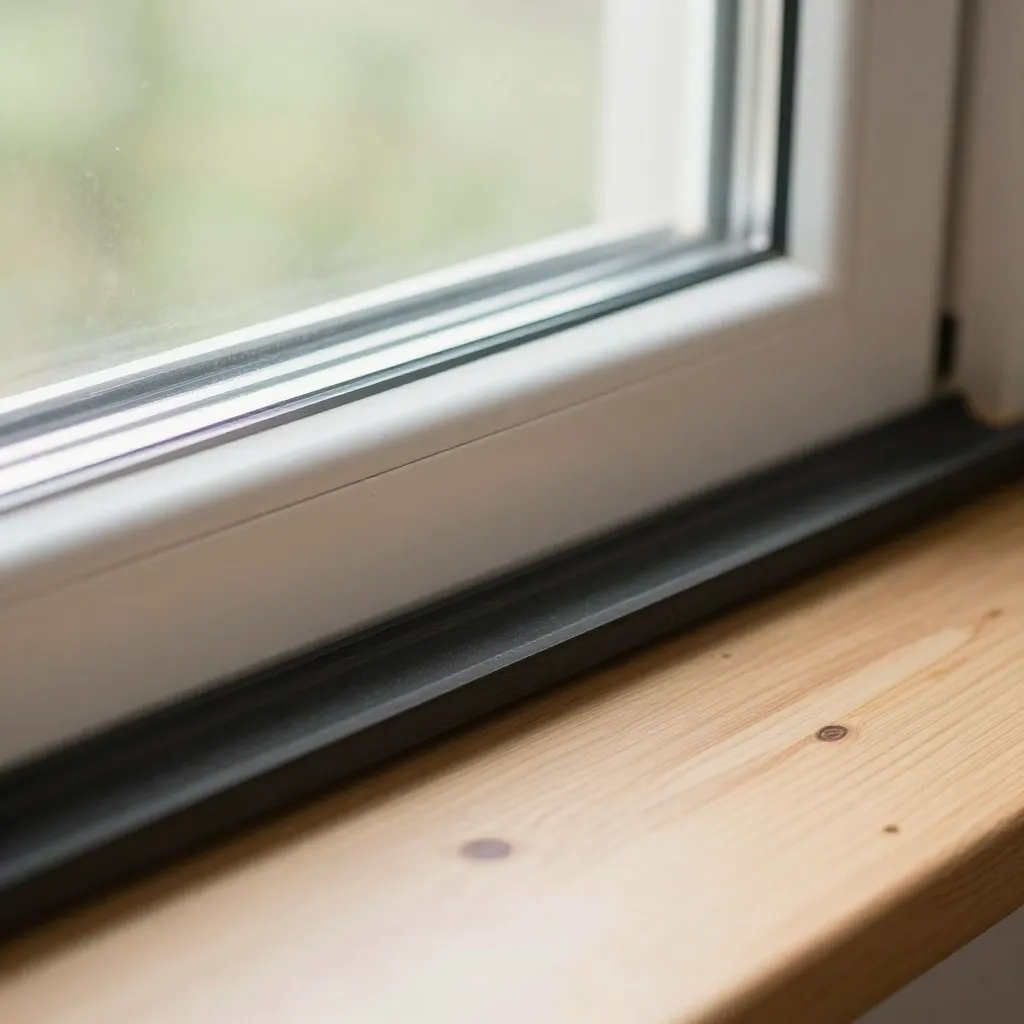
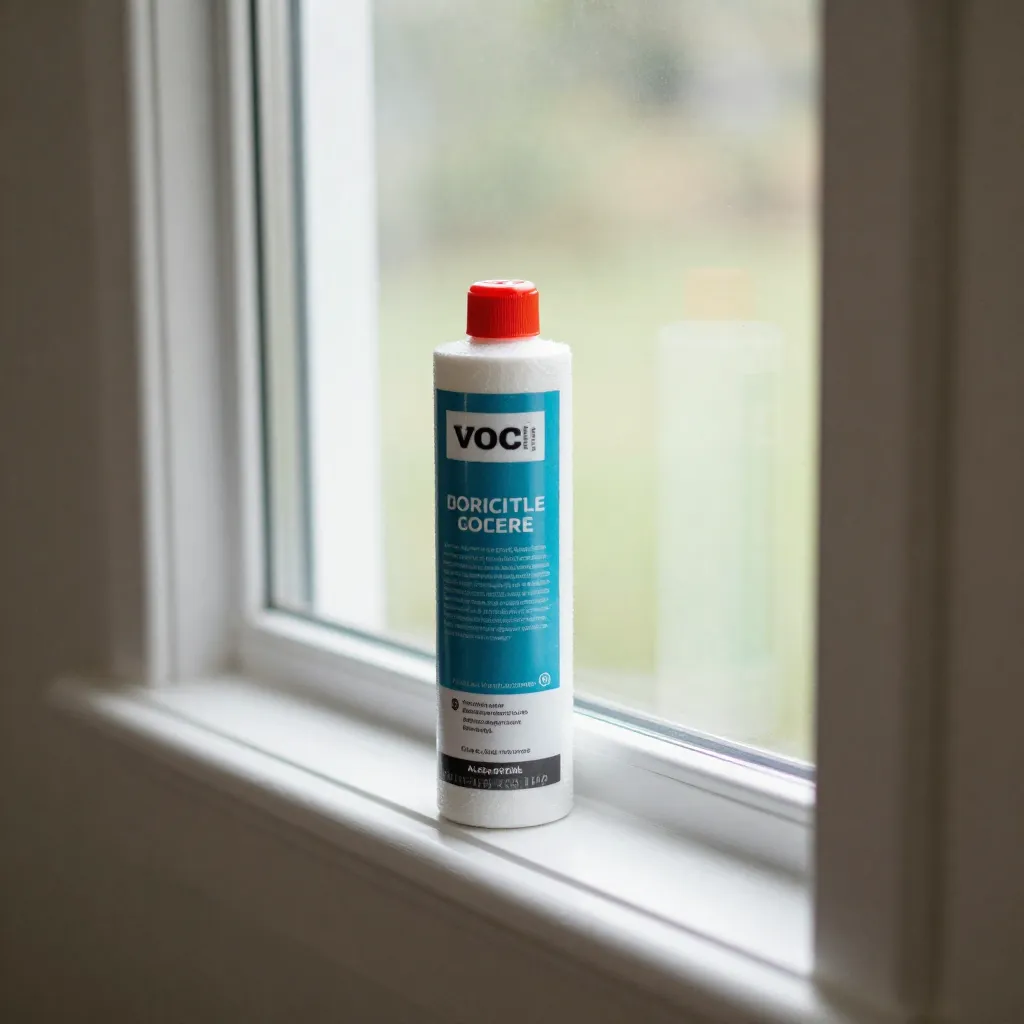
Sealant application process

Application Technique

Cut the sealant tube nozzle at a 45-degree angle to match the joint width. Apply steady, consistent pressure while moving the gun at a uniform speed. Maintain a continuous bead without gaps or breaks.

Joint Filling Guidelines

• Fill joints completely from bottom to top
• Maintain consistent bead width
• Overfill slightly to account for settling
• Work in sections for large areas
• Avoid stretching or thinning the bead

Tool Selection

Use a quality caulking gun with smooth trigger action. For smoothing, use a wet finger, specialized tool, or damp cloth. Choose tools appropriate for the sealant type and joint size.

Layering & Smoothing Techniques

Smoothing sealant surface

Smoothing Process

Immediately after application, smooth the sealant bead using a wet tool or finger. Work in one direction to create a uniform, professional finish. Remove excess material as you work.

Multi-Layer Applications

For deep joints, apply sealant in multiple layers, allowing each layer to partially cure before applying the next. This ensures complete filling and proper adhesion throughout the joint depth.

Finishing Touches

After smoothing, inspect the sealant for any voids, bubbles, or inconsistencies. Make corrections immediately while the material is still workable. Clean up any excess material from surrounding surfaces.

Preventing Leaks & Drafts

Window sealing inspection

Comprehensive Coverage

Ensure all potential air infiltration points are sealed, including frame-to-wall joints, frame-to-glass interfaces, and any gaps around hardware or trim pieces.

Quality Checks

• Verify continuous bead coverage
• Check for proper adhesion
• Inspect for gaps or voids
• Test for air leakage after curing
• Monitor during first weather exposure

Curing & Protection

Allow adequate curing time before exposing to weather or stress. Protect fresh sealant from rain, direct sunlight, or mechanical damage during the initial curing period (typically 24-48 hours).